Rotini is a short, twisted pasta shape whose name comes from ruota, the Italian word for wheel. Its tightly wound appearance is sometimes compared to a corkscrew, which is why people occasionally confuse it with fusilli. The two names are often used interchangeably outside Italy, although traditional pasta terminology can distinguish between particular shapes and their construction. Rotini became a familiar sight in supermarkets and home kitchens because its compact spirals are easy to portion and adaptable to different dishes. Today, the name also appears on packets made with different grains, legume flours, and alternative ingredients, giving one recognisable shape several identities.
Choosing between rotini varieties can be confusing when they look so similar but differ in taste, texture, and nutrition. This article explains what sets each type apart.
1. Classic Rotini
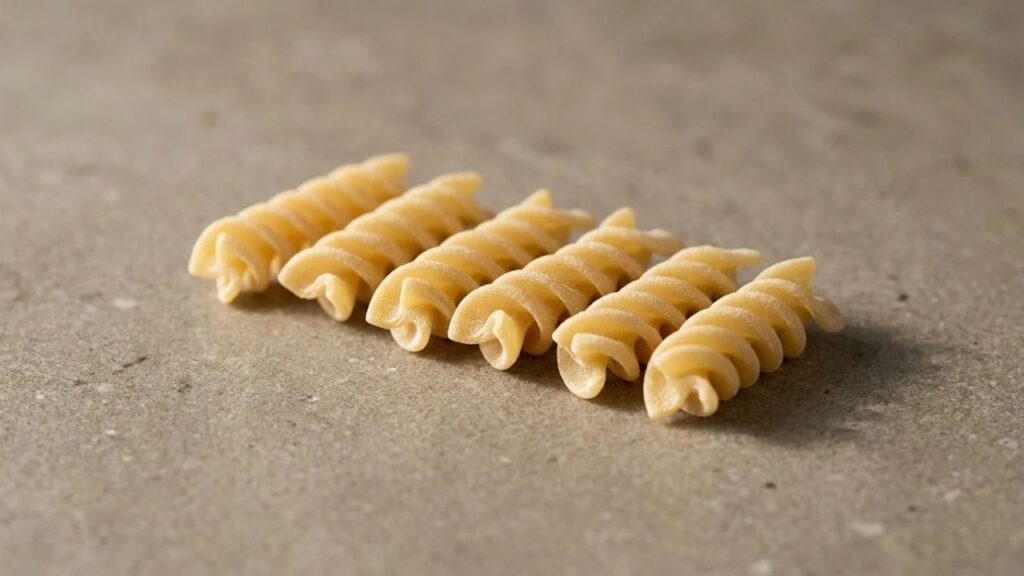
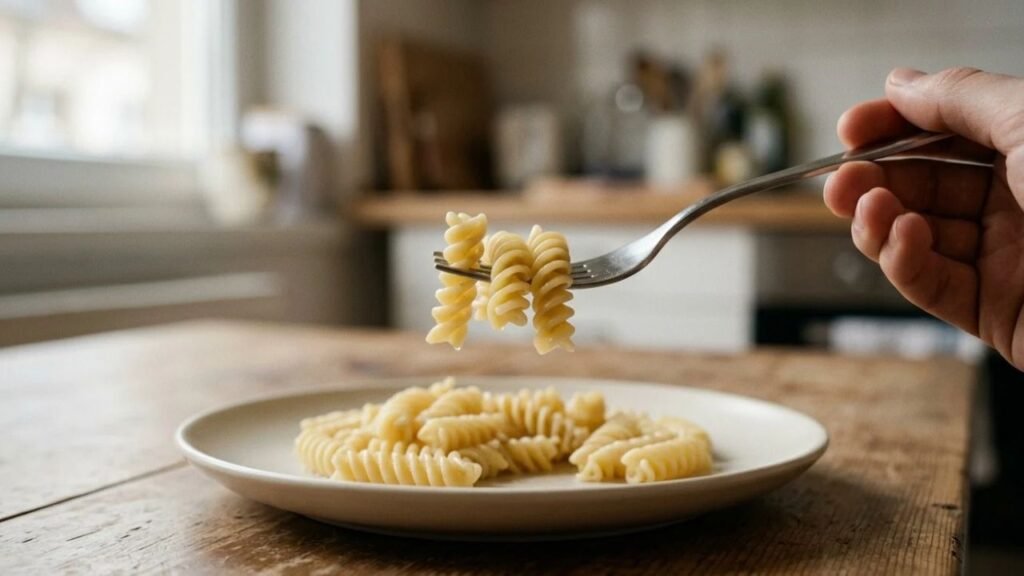
Classic rotini is the version most people picture first, golden-yellow spirals made primarily from durum wheat semolina and water. Its appeal lies in its mild flavour and firm, springy texture, which allow it to work across different styles of food without dominating the dish.
The spiral is not merely decorative. Its curved surfaces create areas where sauces and small pieces of food can settle, giving rotini a different eating experience from smoother shapes.
What distinguishes it: Balance. Classic rotini offers a familiar wheat flavour and a texture that is neither especially coarse nor unusually delicate.
It is also a useful reference point when comparing other varieties. If you want to understand whether a whole-wheat, gluten-free, or legume-based alternative has a different bite, the conventional version provides a clear baseline.
2. Whole-Wheat Rotini
Whole-wheat rotini has a deeper brown colour and a more pronounced grain character than conventional wheat pasta. The difference comes from whole-grain wheat flour, which retains the bran and germ rather than relying solely on refined grain. The structure of a whole grain helps explain why retaining these parts changes the composition of the flour.
That change affects more than appearance. Whole-wheat rotini generally has an earthier, nuttier flavour and a slightly coarser texture. Some people enjoy this added character, others find it more noticeable than expected.
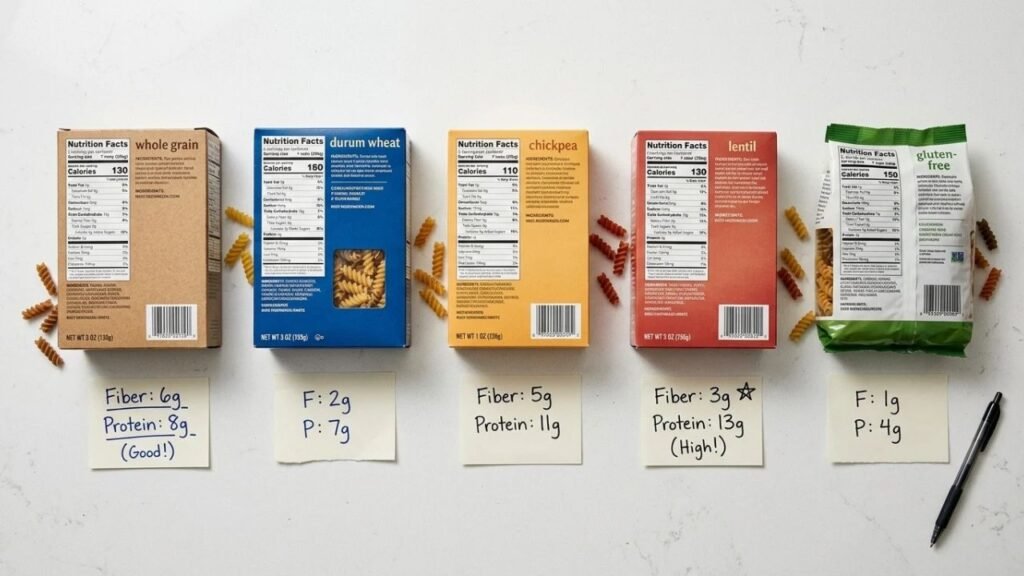
What distinguishes it: A stronger grain flavour and typically higher fibre content than conventional refined pasta.
Whole-wheat rotini is not automatically the better choice for every meal. Its flavour may complement earthy ingredients but compete with delicate ones. The useful distinction is not simply that it is whole-grain, but that it brings its own character to the dish.
3. Tri-Colour Rotini
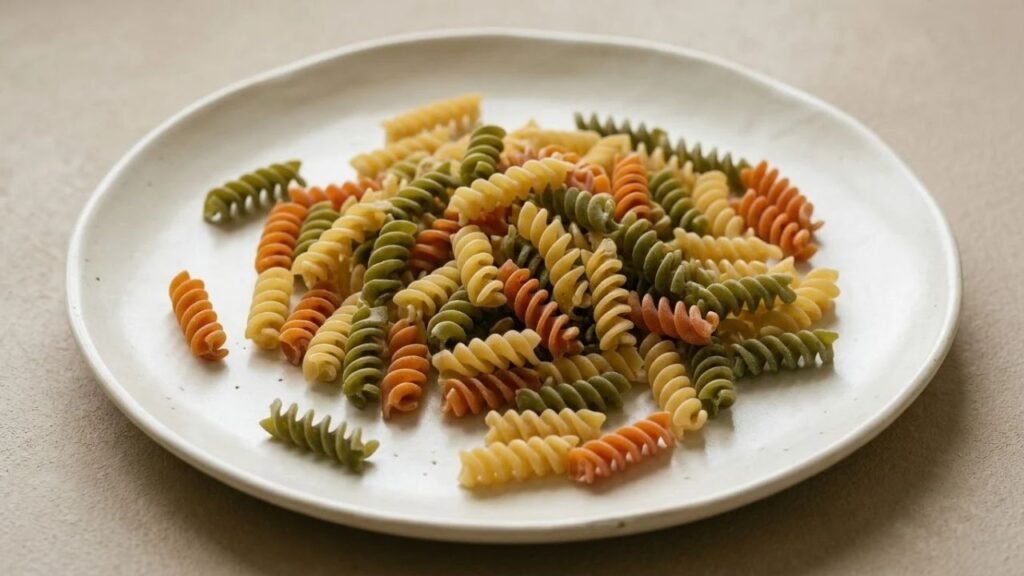
Tri-colour rotini introduces green and orange-red spirals alongside the familiar pale-yellow pasta. These colours commonly come from ingredients such as spinach and tomato, although the exact formulation varies by manufacturer.
Its main appeal is visual. The contrast makes individual spirals easier to distinguish and gives mixed dishes a more varied appearance. This is one reason tri-colour rotini is often associated with pasta salads.
What distinguishes it: Colour variation without a fundamentally different pasta shape.
There is an important distinction between appearance and nutrition. Green or orange pasta is not necessarily a meaningful substitute for vegetables. The amount of spinach, tomato, or other colouring ingredients may be relatively small.
Tri-colour rotini is best understood as a variation in presentation, with possible flavour differences depending on its formulation. Its colourful appearance can make a dish more inviting, but the colours alone do not establish that it is healthier than ordinary rotini.
4. Protein-Enriched Rotini
Protein-enriched rotini changes the familiar wheat-based formula by incorporating ingredients selected to increase its protein content. Depending on the manufacturer, these may include lentils, chickpeas, peas, or other legume-derived ingredients.
The result is not always identical to classic rotini. Some varieties retain a familiar wheat-pasta texture, while others have a denser bite or a more noticeable legume flavour.
What distinguishes it: A different nutritional profile, potentially providing more protein per serving.
The phrase protein-enriched does not guarantee that every product contains the same amount of protein. Different formulations provide different nutritional values, so the nutrition panel is more informative than the product name alone.
A higher-protein variety may suit someone looking to increase the protein content of a meal, but that does not automatically make it more enjoyable or appropriate for every dish. Texture and flavour still matter.
5. Gluten-Free Rotini
Gluten-free rotini offers an alternative for people who need or choose to avoid gluten. Manufacturers commonly use combinations of corn, rice, or other gluten-free grains and starches instead of conventional wheat flour.
The spiral remains familiar, but the texture can be less predictable. Depending on its composition, gluten-free rotini may have a firmer centre, a more delicate structure, or a tendency to soften more quickly than conventional wheat pasta.
What distinguishes it: The absence of gluten-containing ingredients and the different texture that can result from alternative flour blends.
This variety is particularly important for people with coeliac disease, for whom avoiding gluten is a medical necessity. Product labelling matters, as does preventing cross-contact during preparation. The Celiac Disease Foundation’s guide to gluten sources and cross-contact explains why checking ingredients and shared kitchen equipment matters.
For everyone else, the main consideration is whether the texture and flavour suit their preferences. Gluten-free rotini is not inherently better or worse than wheat-based pasta. It simply behaves differently because its ingredients differ.
Choosing Rotini by What Matters Most
The five varieties become easier to distinguish when you stop treating them as interchangeable packets of spiral pasta.
- Classic rotini offers a familiar wheat flavour and versatile texture.
- Whole-wheat rotini brings a nuttier taste and generally more fibre.
- Tri-colour rotini adds visual contrast, with flavour depending on its colouring ingredients.
- Protein-enriched rotini can provide more protein, depending on its formulation.
- Gluten-free rotini provides an alternative for people avoiding gluten, with texture varying by flour blend.
The important distinction is between what changes on the surface and what changes beneath it. Colour may affect presentation without substantially changing the eating experience, while a different grain or flour blend can influence flavour, texture, and nutritional composition.
Short FAQs About Rotini
1. Is rotini the same as fusilli?
The names are frequently used interchangeably, particularly in international supermarkets. However, traditional pasta terminology can distinguish between the shapes and how their spirals are formed.
2. Which rotini has the most fibre?
Whole-wheat rotini is generally higher in fibre than conventional refined-wheat rotini. Exact amounts depend on the product and serving size.
3. Does tri-colour rotini contain vegetables?
Some varieties use spinach and tomato ingredients for colour. However, the quantity varies, so colourful pasta should not automatically be considered a substitute for vegetables.
4. Is protein-enriched rotini healthier than regular rotini?
Not necessarily in every respect. It may contain more protein, but the overall nutritional comparison depends on fibre, calories, sodium, ingredients, and serving size.
5. Does gluten-free rotini taste different?
It can. The flavour and texture depend on the grains and starches used, with some varieties tasting closer to conventional pasta than others.
6. Why does gluten-free rotini sometimes become soft?
Different flour blends have different structural properties. Some gluten-free pastas are more sensitive to cooking time, affecting their firmness and shape.
The Spiral Is Only the Beginning
Rotini may look like a simple spiral, but the ingredients behind it give each variety a different character. The type of grain affects its flavour, the flour blend influences its texture, and added ingredients can change its colour and nutritional value. These differences may seem small on the shelf, but they become more noticeable when you compare the pasta on your plate.
Choosing rotini, then, is about more than picking a familiar shape. Whether you prefer the traditional wheat version, a nuttier whole-wheat variety, or an alternative made with legumes, understanding what sets each type apart helps you find the one that suits your taste and preferences.