The Manhattan is one of those cocktails that became recognizable long before anyone needed to explain what made it good. A classic Manhattan recipe typically brings together rye or bourbon, sweet vermouth, bitters, and a cherry, served chilled and straight up in a cocktail glass. It belongs to the old American canon of whiskey drinks. Its exact origin is still debated, but the name has been attached to the drink since the late 19th century, and its reputation has lasted because the formula leaves little for a bartender to hide behind. When a Manhattan works, its character is clear: whiskey at the center, vermouth giving it depth, bitterness keeping the sweetness in check, and a finish that feels deliberate rather than decorative.
Getting the balance right can be tricky, especially when a Manhattan turns out too sweet, too strong, or flat. This guide looks at the small adjustments that can change the drink.
1. Start by deciding
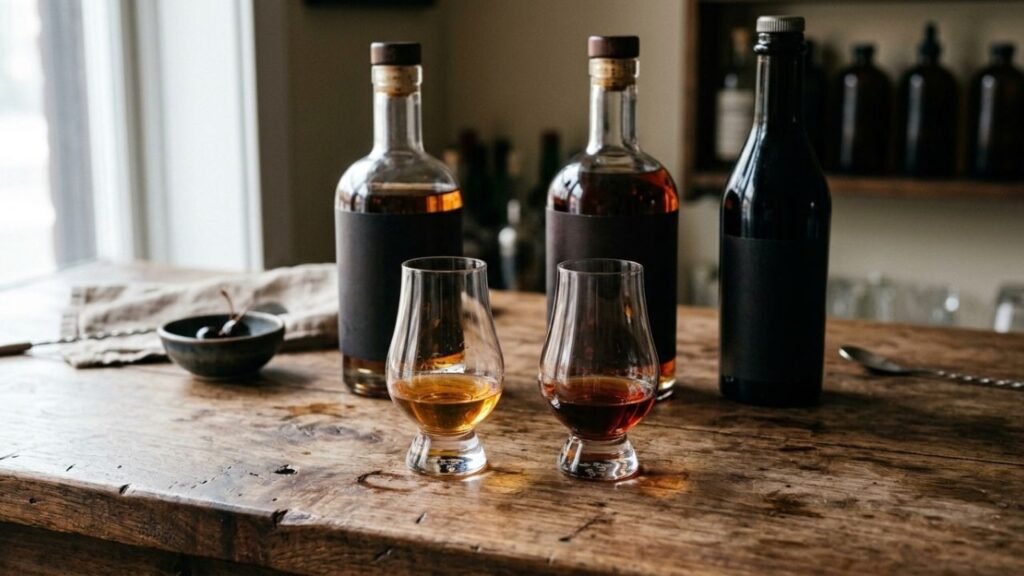
Before changing anything in the glass, think about what you want the finished Manhattan to feel like. Rye usually brings more spice and a firmer edge, while bourbon tends to make the drink rounder and softer. Neither automatically makes a better Manhattan. They simply take the cocktail in different directions.
The whiskey and vermouth also need to work together. A particularly sweet vermouth may benefit from a whiskey with enough spice and structure to prevent the drink from becoming syrupy.
A lighter vermouth, meanwhile, can give a softer bourbon more room to lead. Rather than looking for the “best” whiskey, pay attention to the balance you want in the glass.
2. Give the vermouth more attention
Vermouth is easy to underestimate because it usually occupies less space in the glass than whiskey. Its influence, however, is much larger than its volume suggests. A fresh sweet vermouth can bring herbs, spice, bitterness and subtle fruit notes, while an old, oxidized bottle can make the same cocktail seem dull and overly sweet.
This is one of the least glamorous improvements and one of the most noticeable. Store vermouth in the refrigerator and pay attention to how it smells and tastes over time, as Liquor.com explains in its guide to What’s the Shelf Life of Liquor?
If it has lost its freshness, changing the whiskey will not solve the underlying problem. A Manhattan is not simply whiskey with something sweet added to it. Vermouth is part of its identity.
3. Stop treating the 2:1 ratio as a law
The familiar two-part whiskey to one-part sweet vermouth ratio is a useful starting point, but it does not have to be fixed. The whiskey, vermouth and desired sweetness can all change the balance, so a small adjustment may sometimes make the drink feel more complete.
If the Manhattan tastes too sweet, slightly less vermouth may help. If it feels too alcoholic or lacks depth, a little more vermouth can bring the whiskey into better focus.
Make one change at a time. That way, you can tell what actually improved the drink rather than changing its character without knowing why.
4. Cold is part of the flavor, not just the temperature
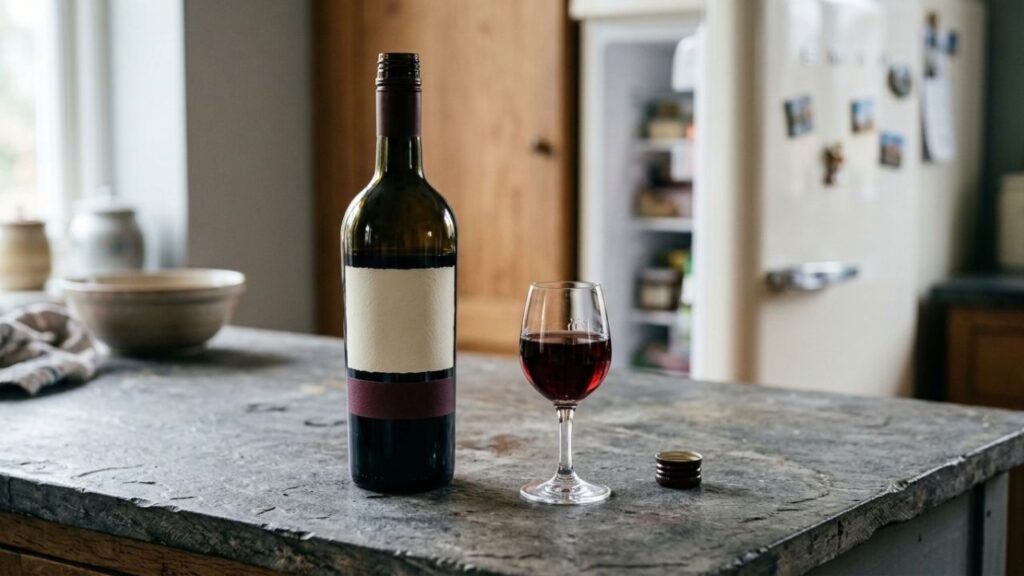
A Manhattan is normally served without ice in the final glass, so there is nothing there to keep it cold once it has been poured. That makes the temperature of the glass more important than it might seem. A drink that starts warm can quickly lose the crispness you expect from a well-made Manhattan.
Chill the serving glass before pouring. A cold glass helps preserve the drink’s texture and keeps the first few sips closer to the character you intended.
Temperature also needs to work alongside dilution. Manhattan should arrive cold without becoming watery. Finding that balance helps the drink retain both its strength and its shape.
5. Stir for texture, not for a stopwatch
One of the easiest mistakes is becoming too focused on a precise stirring time. The real goal is a Manhattan that is cold, smooth and properly diluted. Ice varies in size, temperature and condition, so the same amount of stirring will not always produce the same result.
Use plenty of ice and stir steadily rather than aggressively. The aim is to chill and dilute the drink while allowing the whiskey, vermouth and bitters to come together.
If the Manhattan tastes hot and concentrated, it may need more dilution. If it feels thin or washed out, you may have gone too far. Pay attention to the drink rather than blindly following a timer.

6. Use bitters as structure, not decoration
Bitters may be used in small amounts, but they can have a noticeable effect on Manhattan. They bring spice, bitterness and aromatic depth, helping connect the sweetness of the vermouth with the weight of the whiskey. Too little can leave the drink feeling flat, while too much can make the bitterness stand out.
This is where tasting becomes more useful than following a rigid formula. Pay attention to how the drink changes when the balance feels slightly off.
If the Manhattan tastes sweet but lacks definition, a small adjustment to the bitters may help more than adding another spirit or liqueur. Their role is to give the other flavors more shape without taking over the drink.
7. Treat the garnish as the final note
The garnish is often what makes a Manhattan instantly recognizable, but it also changes how the drink is experienced. A good cherry can bring a concentrated fruit note that works naturally with whiskey and vermouth, while a citrus peel adds a brighter aromatic quality when its oils are expressed over the surface.
It does not need to become a performance. The garnish should simply work with what is already in the glass.
If the cocktail is rich and sweet, citrus can give it some lift. If the whiskey has a noticeable fruit character, a cherry can reinforce it. Think of the garnish as a final adjustment rather than something added because the glass looks empty.

The small corrections are where the Manhattan changes
Manhattan does not need to become complicated to become better. Adding more ingredients can sometimes make it harder to understand what was missing in the first place. The more useful approach is to pay attention to the details already shaping the drink, from the whiskey and vermouth to its dilution and temperature.
Once you start noticing these differences individually, Manhattan becomes easier to adjust. A small change can tell you more than adding several new elements at once.
You are not trying to reproduce some abstract idea of a “perfect” cocktail. You are learning how your particular whiskey and vermouth work together and what brings out their best qualities.
Frequently Asked Questions
1. Is Manhattan always made with rye?
No. Rye is strongly associated with the classic style, but bourbon can also be used. The choice changes the drink’s character rather than determining whether it is a Manhattan.
2. Why does my Manhattan taste too sweet?
The first places to examine are the vermouth and the whiskey-to-vermouth balance. A sweeter bourbon paired with a rich sweet vermouth can produce a much softer drink than expected.
3. Should sweet vermouth be refrigerated?
Yes. Once opened, refrigeration helps slow oxidation and preserve its flavor for longer.
4. Why is my Manhattan too strong?
Insufficient dilution is one possible reason. Stirring with ice adds both chilling and water, which softens the alcohol and brings the components together.
5. Is bourbon or rye better for a Manhattan?
They produce different results. Rye generally gives the drink more spice and firmness, while bourbon tends to make it rounder and sweeter. The better choice depends on the character you want.
6. Does the garnish really matter?
It can. A cherry and a citrus peel contribute different aromas and flavors, even though neither changes the basic structure of the cocktail.
A better Manhattan starts with better attention
The enduring appeal of Manhattan is partly it’s restraint. There are not many places to hide, so small decisions become visible in the finished glass. The whiskey, vermouth, dilution and temperature all shape its character, which makes even minor changes worth noticing.
Rather than chasing a complicated formula, pay attention to what is already there. Fresh vermouth, suitable whiskey, controlled dilution and proper chilling can make a noticeable difference. With a classic this simple, improvement rarely comes from adding more. It comes from noticing more.