The Tokyo Tea is one of the most recognizable green cocktails behind a bar, known for its bright color, sweet melon character and reputation as a strong mixed drink. Despite the name, there is no tea in the cocktail. Its identity comes largely from Midori, while its crowded combination of spirits connects it more closely to the American Long Island Iced Tea tradition. That combination gives the drink its unusual character. It looks playful, but there is more going on in the glass than its color suggests.
The problem at home is usually balance. A little too much sweetness, alcohol or mixer can make the drink taste heavy instead of refreshing. The trick is not to change everything about it, but to understand which small decisions make the biggest difference.
1. Let Midori play its part
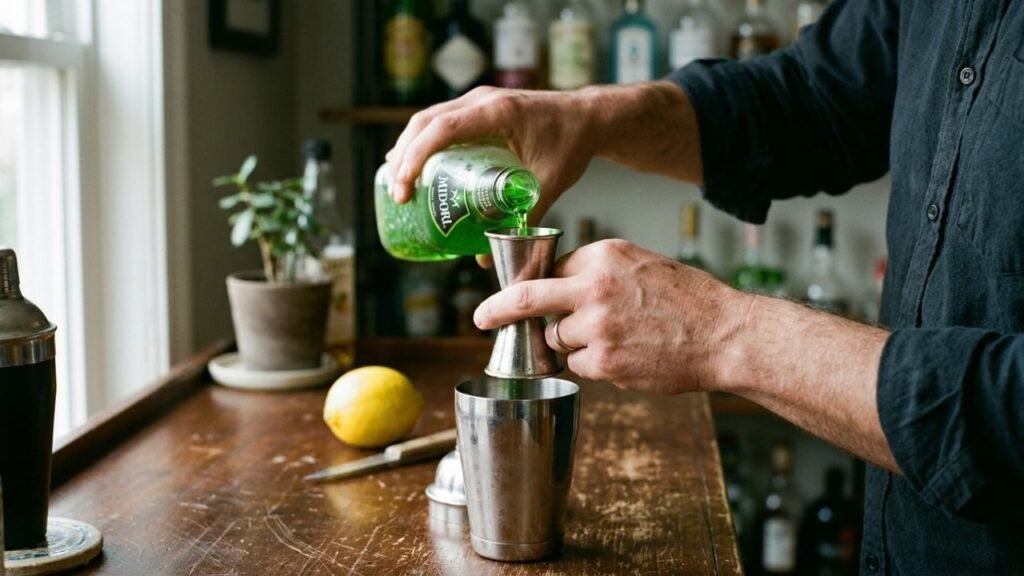
Midori gives the Tokyo Tea its color and distinctive melon flavor, but too much can quickly make the drink overly sweet. Use enough to make the melon noticeable without allowing it to cover the citrus and spirits. The green color should catch the eye. The melon flavor does not need to dominate every sip.
This matters because Midori does two jobs at once. It contributes flavor and sweetness. When you increase it simply because you want a stronger melon note, you are also increasing the sugar. That can make the drink harder to balance later.
Think of it as an accent rather than the entire foundation.
2. Fresh citrus makes the difference
Fresh lemon or lime juice gives the drink the acidity it needs to counter its sweetness. Bottled sour mix can make the cocktail harder to control, particularly when Midori is already contributing plenty of sugar. If you are using freshly squeezed juice, it is also worth paying attention to basic handling and storage practices. The USDA’s guidance on storing unpasteurized fruit juice explains why freshly extracted juice should not simply be left at room temperature. If the drink feels heavy, increase the citrus slightly before adding more alcohol or soda.
Citrus also affects how the other ingredients appear on the palate. Without enough acidity, gin and tequila can seem buried, while the sweetness lingers longer than it should. With the right amount, the drink feels brighter and the different spirits become easier to notice.
You are not looking for a sour cocktail. You are looking for enough acidity to keep the sweetness moving.
3. Measure the spirits
A Tokyo Tea already contains several spirits, so free-pouring can quickly throw the balance off. Use a jigger and keep the quantities consistent. This also makes troubleshooting easier, if one version works and another does not, you can identify what changed.
There is another benefit to measuring. It allows you to understand your own preference. Perhaps you like the gin to be slightly more noticeable, or prefer a softer tequila presence. You can make those changes deliberately once the basic proportions are repeatable.
With a cocktail this busy, consistency is more useful than chasing an idea of a perfect universal formula.
4. Keep carbonation out of the shaker
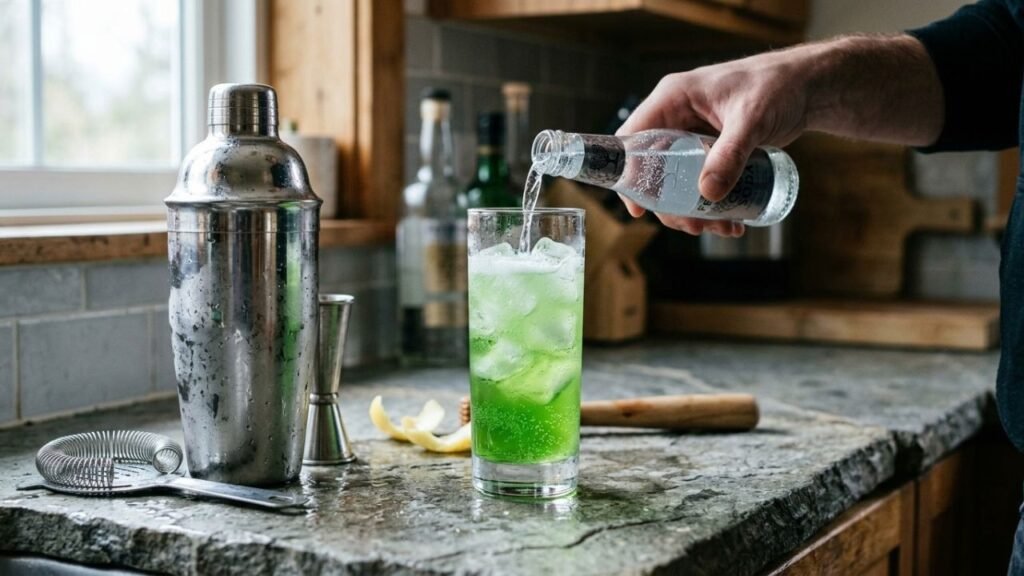
The spirits, citrus and liqueurs need chilling and dilution. Carbonation does not. Shake the non-carbonated ingredients with ice, then add the soda afterward. This keeps the drink colder, fresher and more lively.
It also gives you control over the final texture. A small amount of soda keeps the cocktail concentrated, while a larger pour makes it longer and lighter.
The important point is that soda should finish the drink rather than rescue it. If the cocktail tastes unbalanced before carbonation, simply adding more mixer can hide the problem without solving it.
5. Don’t underestimate the ice
Ice is responsible for more than chilling. As it melts during shaking, it adds controlled dilution that softens the alcohol. Use plenty of solid ice when shaking and fresh ice for serving. Weak, rapidly melting ice can leave the cocktail watery and unbalanced.
The temperature matters too. A properly chilled Tokyo Tea feels cleaner on the palate, while a warmer version can make the alcohol seem more aggressive.
For serving, a tall glass filled with fresh ice gives the drink enough room without making it look diluted. Clearer, larger pieces of ice can also slow melting and make the vivid green color look sharper.
It is a small visual decision, but this is a cocktail where presentation and temperature work together.
6. Choose your finish carefully
Club soda creates a lighter, drier finish. Lemon-lime soda makes the cocktail sweeter and softer. If you choose a sweet mixer, reduce the additional sweetener elsewhere. Otherwise, the citrus and spirits can disappear beneath the sugar.
There is no reason to treat one finish as the only correct version. They simply create different drinks. Club soda puts more attention on the base cocktail, while lemon-lime soda leans into the easy-drinking character associated with many bar versions.
Choose based on the result you want, not because one option sounds more sophisticated.
7. Keep the garnish restrained
The Tokyo Tea already has an extremely strong visual identity. Its electric green color does most of the work. A simple citrus garnish and clear ice are enough. Adding too much fruit or decoration can make the drink look busy without improving its flavor.
There is also a practical reason to keep the garnish simple. Strong citrus aroma from a fresh peel can change the first impression of the drink before you even take a sip. A large pile of fruit, meanwhile, can introduce aromas and flavors that were never part of the balance you created.
Let the color remain the focal point.
A useful way to troubleshoot it
Instead of changing several things at once, identify what the drink lacks.
- Too sweet: reduce sweetener or Midori.
- Too sharp: add a small amount of sweetness.
- Too strong: give it more dilution.
- Too flat: check the citrus and carbonation.
- Too heavy: reduce the sweetness before adding more mixer.
- Too thin: use less soda and make sure the drink received enough flavor before dilution.
This makes the process much more useful than simply following a fixed recipe.
Taste after each adjustment. A cocktail can move from balanced to overly sweet or acidic with surprisingly little change, particularly when the glass is relatively small.
Why the glass itself matters
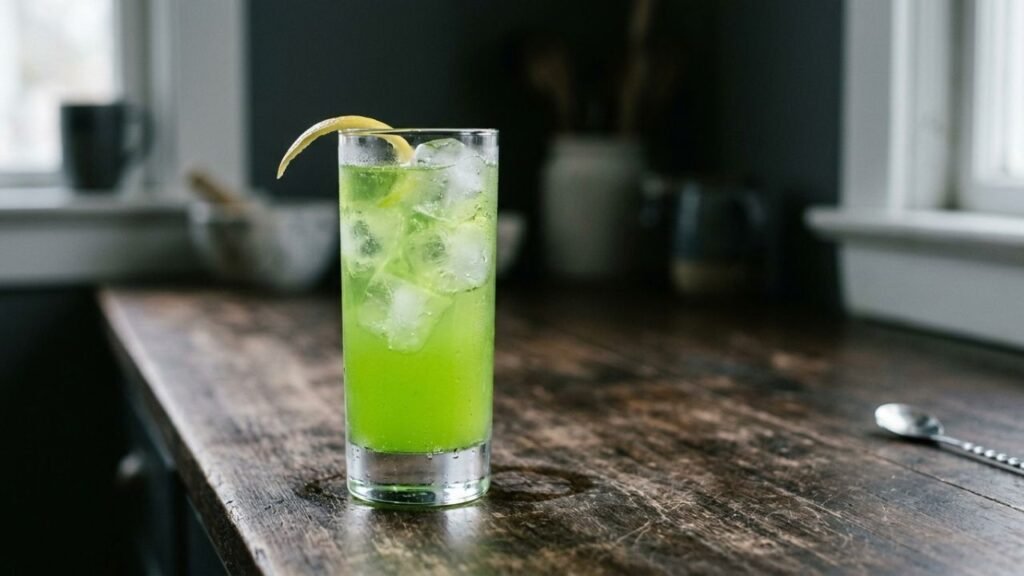
A Tokyo Tea is rarely served in a delicate, compact cocktail glass, and there is a reason the taller format works. The extra height creates space for ice and carbonation while keeping the drink visually concentrated. The glass also gives the bright green color a clear vertical field rather than spreading it across a wide surface.
That makes a simple highball or Collins-style glass a natural choice.
You do not need specialist barware. What matters is proportion, enough room for ice, enough space for the mixer, and enough height for the cocktail to retain its visual identity.
Five common mistakes
Too much Midori
The color may look right, but the drink can become syrupy.
Too little citrus
Without enough acidity, the sweetness has nothing to push against.
Warm soda
Cold carbonation keeps the finish crisp.
Poor ice
Fast-melting ice can dilute the drink unevenly.
Overdoing the garnish
The cocktail already has plenty of visual character.
FAQs
1. Is there tea in Tokyo Tea?
No. The name does not refer to an actual tea ingredient.
2. What makes it green?
Midori melon liqueur provides its characteristic color.
3. Can it be less sweet?
Yes. Reduce added sweetener and use a less-sweet mixer while keeping enough citrus for balance.
4. Lemon or lime?
Both work. Lemon gives a clean acidity, while lime brings a sharper, more aromatic edge.
5. Why does mine taste too strong?
Poor dilution, excessive spirit quantities or insufficient citrus can all make the alcohol feel more prominent.
6. Does the type of glass really matter?
It can. A tall glass gives the drink room for ice and carbonation while allowing its color to remain visually prominent.
The final measure
A better Tokyo Tea does not require turning it into a completely different cocktail. The improvement comes from small decisions, measured proportions, fresh citrus, proper dilution, controlled sweetness and restrained presentation.
Its bright green appearance may be what gets attention, but balance is what makes the drink worth finishing. Once you understand what each part contributes, the cocktail becomes much easier to adjust—and much harder to accidentally overwhelm.